The field of fashion is dynamic and multifaceted, with many different facets that go into the design and presentation of clothing. Tailoring is one of the most important aspects of fashion. The skill of designing, cutting, fitting, and finishing clothing to ensure a perfect fit and complement the wearer’s style and body shape is known as tailoring. This blog post will explore the history, methods, and significance of tailoring in the fashion industry.
The History of Tailoring
When clothing started to change from loosely draped to more fitted and structured pieces in the early medieval era, tailoring had its start. The Latin word “talea,” which meaning a cutting, is where the word “tailor” originates. By the twelfth century, tailors were acknowledged as accomplished craftspeople who made fabric into form-fitting clothing.
The Renaissance saw a great advancement in tailoring as more elaborate and form-fitting styles became popular. During this time, tailors developed guilds where they refined their skills and handed down methods to succeeding generations. Sewing machines were introduced during the Industrial Revolution, which further revolutionized tailoring by accelerating production and improving efficiency while preserving high standards of craftsmanship.
The Art and Techniques of Tailoring
There are several precise steps in tailoring, and each one calls for expertise and precision. These are the fundamental methods:
1. Measurement and Fit
Measuring the client’s body accurately is the first step in the tailoring process. This guarantees that the finished item will fit flawlessly. A tailor takes measurements of the arms, legs, hips, waist, and chest, among other body parts. The creation of a pattern that will be used to cut the fabric depends heavily on these measurements.
2. Creating Patterns
Making a pattern comes next after the measurements are taken. The garment pieces are cut using this template. Patterns can be created digitally with software or on paper. Since the pattern dictates how the garment fits and balances, accuracy is crucial.
3. Slicing the Material
When the pattern is ready, the tailor cuts the material carefully by placing it on the fabric. Because even the smallest error can have an impact on the final product’s fit and appearance, this step calls for dexterity and keen vision.
4. Stitching
The fabric is cut, then the pieces are sewn together. Both hand and machine stitching are used in this. To guarantee that the garment is well-made and has a smooth finish, tailors frequently employ a range of stitches. Especially for details like buttonholes, hems, and linings, hand stitching is crucial.
5. Measurements and Modifications
The customer and the garment are fitted after the garment is put together. The tailor makes any required alterations during this session to guarantee the garment fits flawlessly. This could include reshaping the shape, adjusting lengths, and taking in or letting out seams.
6. Final Details
Applying the finishing touches completes the tailoring process. This entails finishing touches like buttons, zippers, or embroidery as well as pressing the garment to guarantee a neat, polished appearance.
The Importance of Tailoring in Fashion
A special and important place is reserved for tailoring in the fashion industry. These are some of the causes:
1. Customization and Fit
The customized fit of tailored apparel is one of its main benefits. Tailored clothing is made to measure, so it fits the wearer’s body precisely, unlike off-the-rack clothing. The wearer feels more fashionable and confident as a result of the improved comfort and appearance.
2. Quality and Craftsmanship
Tailored garments are synonymous with quality. The attention to detail and the use of high-quality materials ensure that tailored clothes are durable and well-finished. This level of craftsmanship often makes tailored garments a worthwhile investment.
3. Ecological viability
Fashion sustainability is aided by tailoring. Tailored clothing reduces the need for frequent replacements and fights the fast fashion culture, which is often linked to waste and environmental damage, by producing well-fitting, long-lasting items.
4. Grace and Design
Tailored apparel is frequently linked to sophistication and elegance. Tailored clothing, whether it’s a custom dress, coat, or suit, exudes a sense of style that is difficult to achieve with mass-produced apparel.
A vital component of fashion is tailoring, which blends creativity, talent, and accuracy to produce clothes that fit well and express the wearer’s individual style. With its long history and current uses, tailoring is still very important in the fashion industry, making sure that people feel and look their best in well-fitting apparel. Tailoring provides a classic way to achieve flawless style, whether you’re looking for a custom suit for a special occasion or just value a well-made piece of clothing.
New arrivals
-
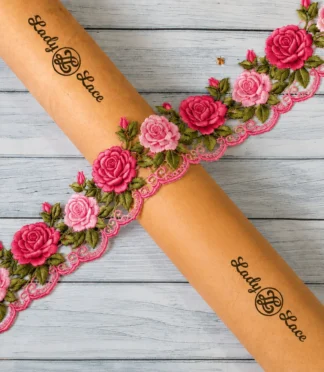
Pink Rose Embroidery Lace Trim – 2.5 inch width, 1 meter
Add to cartOriginal price was: ₹350.₹170Current price is: ₹170.