Sewing machine feet are attachments that help perform specific sewing tasks more easily, accurately, and professionally. Each foot is designed for a particular function, from basic stitching to complex decorative work. Here’s a guide to the most common sewing machine feet and their uses:
🧵 Essential Sewing Machine Feet and Their Functions
1. All-Purpose/Standard Presser Foot
- Use: General sewing on most fabrics.
- Features: Flat and versatile, great for straight and zigzag stitches.
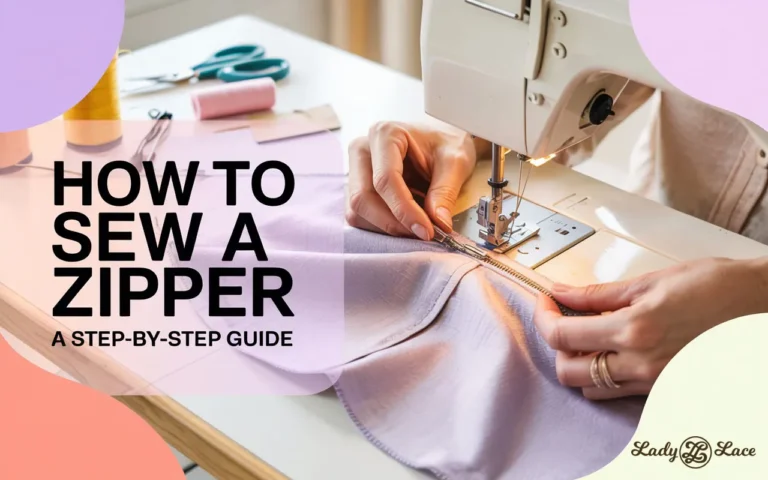
2. Zipper Foot
- Use: Sewing close to zipper teeth, piping, or thick trims.
- Features: Narrow shape allows you to sew on either side of the zipper.
3. Buttonhole Foot
- Use: Making buttonholes in various sizes.
- Features: Guides the fabric to create uniform buttonholes automatically.
4. Button Sewing Foot
- Use: Attaching buttons by machine.
- Features: Holds the button in place while the needle zigzags over the holes.
5. Blind Hem Foot
- Use: Sewing invisible hems on garments.
- Features: Guides the fold precisely for nearly hidden stitching.
6. Overcasting/Overedge Foot
- Use: Prevents fabric edges from fraying, simulating a serger finish.
- Features: Guides thread around the edge of the fabric neatly.
7. Walking Foot (Even Feed Foot)
- Use: Sewing multiple layers or slippery fabrics like quilts or knits.
- Features: Feeds top and bottom layers evenly to prevent shifting.
8. Darning/Free Motion Foot
- Use: Free-motion quilting, embroidery, or darning holes.
- Features: Spring-loaded for free fabric movement in all directions.
9. Quarter-Inch Foot (1/4” Foot)
- Use: Perfect seam allowances in quilting.
- Features: Edge guide helps maintain a precise ¼” seam.
10. Satin Stitch Foot
- Use: Dense decorative stitches or satin stitches.
- Features: Clear or open toe for visibility and smooth bottom to prevent snagging.
11. Roller Foot
- Use: Sewing sticky or textured fabrics like vinyl, leather, or suede.
- Features: Small rollers help glide over challenging materials.
12. Teflon/Non-Stick Foot
- Use: Also for sticky fabrics.
- Features: Made with a slick surface to reduce drag.
13. Ruffler Foot
- Use: Creating pleats or ruffles in fabric.
- Features: Mechanically pleats at regular intervals.
14. Gathering Foot
- Use: Gathers lightweight fabric.
- Features: Easier and faster than manual gathering.
15. Edge Joining Foot
- Use: Joining two pieces with decorative stitching or edge stitching.
- Features: Center guide ensures precise alignment.
16. Twin Needle Foot
- Use: Supports twin needle sewing (some machines only).
- Features: Wider groove for twin needle stitching.
17. Cording Foot
- Use: Adding decorative cording or trim.
- Features: Holds multiple cords in place while stitching over them.
18. Pintuck Foot
- Use: Creating raised, narrow folds for decorative texture.
- Features: Guides for uniform pintucks when used with a twin needle.
19. Embroidery Foot
- Use: Machine embroidery with or without an embroidery module.
- Features: Clear or open toe for visibility, often spring-loaded.
20. Hemmer Foot (Narrow Hem Foot)
- Use: Creating narrow rolled hems (great for lightweight fabrics).
- Features: Curved guide rolls fabric under while stitching.